

alb3824294
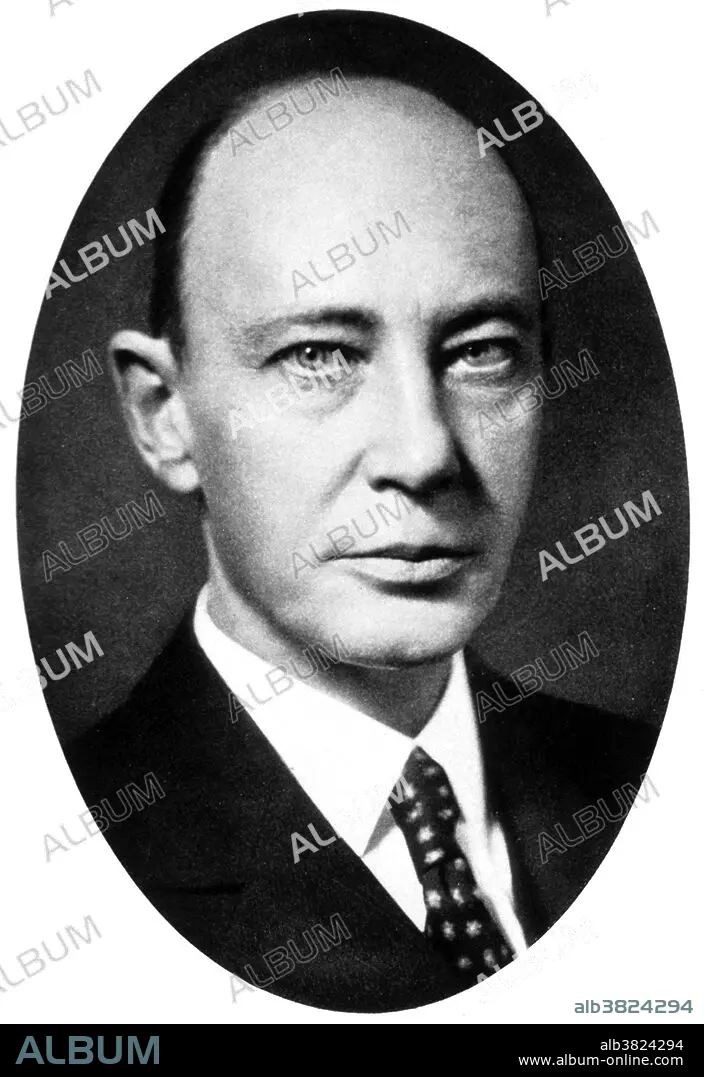
George Richards Minot, American Medical Researcher
| Teilen |
|---|
 Pinterest Pinterest |
 Twitter Twitter |
 Facebook Facebook |
 Link kopieren Link kopieren |
 Email Email |
|
Zu einem anderen Lightbox hinzufügen |
|
Zu einem anderen Lightbox hinzufügen |


Haben Sie bereits ein Konto? Anmelden
Sie haben kein Konto? Registrieren
Dieses Bild kaufen.
Nutzung auswählen:

Titel: George Richards Minot, American Medical Researcher
Untertitel: Siehe automatische Übersetzung
George Richards Minot (December 2, 1885 - February 25, 1950) was an American medical researcher. Minot completed his B.A. in 1908, and obtained his M.D. degree in 1912 from the Harvard Medical School. In 1915, he secured a junior position on the medical staff of the Massachusetts General Hospital, where he started research on blood anemia. In 1917, he went to Huntington Memorial Hospital; he became chief of medical services in 1923, and was appointed physician-in-chief in 1934. In addition, Minot became professor of medicine at the Harvard University. He shared the 1934 Nobel Prize in Physiology or Medicine with William Murphy and George Whipple for their work on the treatment of blood anemia. Minot had diabetes mellitus, which he developed in 1921, also a fatal disease at the time. William Castle observed that Frederick Banting's and Charles Best's discovery of insulin in 1921, not only transformed diabetes treatment, but, by keeping Minot alive, also contributed towards the discovery of a cure for pernicious anemia. Minot began developing complications associated with diabetes in 1940, and suffered a serious stroke in 1947, which partially paralyzed him. He died in 1950 at the age of 64.
George Richards Minot (December 2, 1885 - February 25, 1950) was an American medical researcher. Minot completed his B.A. in 1908, and obtained his M.D. degree in 1912 from the Harvard Medical School. In 1915, he secured a junior position on the medical staff of the Massachusetts General Hospital, where he started research on blood anemia. In 1917, he went to Huntington Memorial Hospital; he became chief of medical services in 1923, and was appointed physician-in-chief in 1934. In addition, Minot became professor of medicine at the Harvard University. He shared the 1934 Nobel Prize in Physiology or Medicine with William Murphy and George Whipple for their work on the treatment of blood anemia. Minot had diabetes mellitus, which he developed in 1921, also a fatal disease at the time. William Castle observed that Frederick Banting's and Charles Best's discovery of insulin in 1921, not only transformed diabetes treatment, but, by keeping Minot alive, also contributed towards the discovery of a cure for pernicious anemia. Minot began developing complications associated with diabetes in 1940, and suffered a serious stroke in 1947, which partially paralyzed him. He died in 1950 at the age of 64.
Bildnachweis: Album / NLM/Science Source
Freigaben (Releases): ? Modellfreigabe: Nein - ? Eigentumsfreigabe: Nein
Rechtefragen?
Rechtefragen?
Bildgröße: 2694 × 3918 px | 30.2 MB
Druckgröße: 22.8 × 33.2 cm | 1060.6 × 1542.5 in (300 dpi)
Schlüsselwörter: AMERIKANER • ANAEMIE • BERÜHMT • BERÜHMTE PERSÖNLICHKEIT • BLUTARMUT • ENTDECKER • FORSCHER • FORSCHUNG • MANN • NOBEL • NOBELPREIS • NOBELPREISTRAEGER • NOBELPREISTRÄGER • NOTABEL • PERSON • PERSöNLICHKEITEN • PERSÖNLICHKEITEN • PROMINENZ • WISSENSCHAFT: ENTDECKER • WISSENSCHAFT: FORSCHER
