

alb3813085
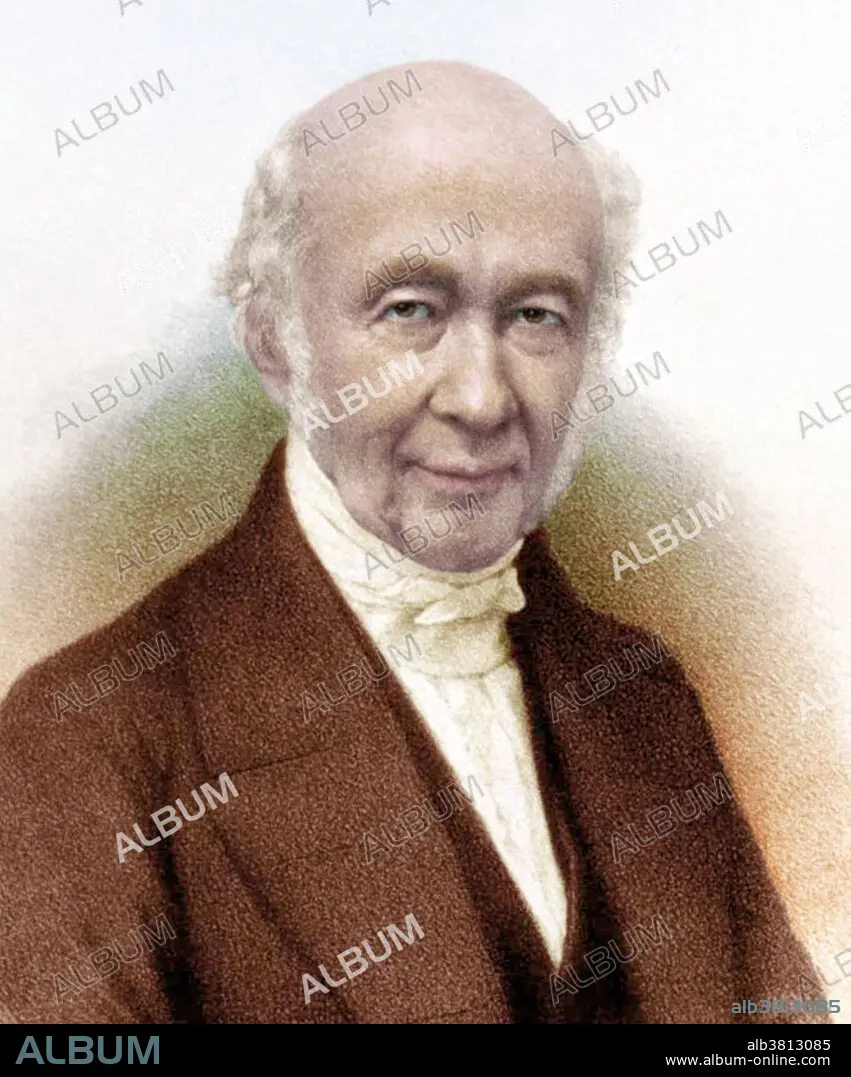
Carl von Reichenbach, German Chemist
| Share |
|---|
 Pinterest Pinterest |
 Twitter Twitter |
 Facebook Facebook |
 Copy link Copy link |
 Email Email |
|
Add to another lightbox |
|
Add to another lightbox |


Buy this image.
Select the use:

Title: Carl von Reichenbach, German Chemist
Caption: Carl Ludwig von Reichenbach (February 12, 1788 - January 1869) was a chemist, geologist, metallurgist, naturalist, industrialist and philosopher, and a member of the prestigious Prussian Academy of Sciences. His position as the head of the large chemical works, iron furnaces and machine shops on the estate of Count Hugo allowed him to conduct large-scale experimental research. From 1830 to 1834 he investigated complex products of the distillation of organic substances such as coal and wood tar, discovering a number of valuable hydrocarbon compounds including creosote, paraffin, eupione and phenol (antiseptics), pittacal and cidreret (synthetic dyestuffs), picamar (a perfume base), assamar, capnomor, and others. In 1839 he retired from industry and entered upon an investigation of the pathology of the human nervous system. He studied neurasthenia, somnambulism, hysteria and phobia, crediting reports that these conditions were affected by the moon. He dedicated himself to research an unproved field of energy combining electricity, magnetism and heat, emanating from all living things, which he called the Odic force. He died in 1869 at the age of 80. This image has been color-enhanced.
Category: Science: History
Credit: Album / Science Source
Releases: ? Model Release: No - ? Property Release: No
Rights questions?
Rights questions?
Image size: 1920 × 2309 px | 12.7 MB
Print size: 16.3 × 19.5 cm | 755.9 × 909.1 in (300 dpi)
Keywords: 18TH CENTURY • 18TH CENTURY, THE • 18TH CENTURY. • 18TH • 19TH CENTURY • ART • ARTWORK • CARL LUDWIG FREIHERR REICHENBACH • CARL LUDWIG FREIHERR VON REICHENBACH • CARL LUDWIG REICHENBACH • CARL LUDWIG VON REICHENBACH • CARL REICHENBACH • CARL VON REICHENBACH • CELEBRITIES • CELEBRITY • CHEMIST • CHEMISTRY • COLORIZED • DISCOVERED CREOSOTE • DISCOVERED EUPIONE • DISCOVERED PARAFFIN • DISCOVERED PHENOL • DRAWING • ENHANCED • ENHANCEMENT • EUROPEA • EUROPEAN • EUROPEANS • FAMOUS PEOPLE • FAMOUS • FIGURE • GEOLOGIST • GERMAN • GERMANS • HISTORIC • HISTORICAL • HISTORY • ILLUSTRATION • ILLUSTRATIONS • ILUSTRATION • IMPORTANT • INDUSTRIALIST AND PHILOSOPHER • KARL LUDWIG FREIHERR REICHENBACH • KARL LUDWIG FREIHERR VON REICHENBACH • KARL LUDWIG REICHENBACH • KARL LUDWIG VON REICHENBACH • KARL REICHENBACH • KARL VON REICHENBACH • MALE • MAN • MEN • METALLURGIST • NATURALIST • NOTABLE • ODIC FORCE • PEOPLE • PERSON • PERSONALITIES • PERSONALITY • PORTAIT • PORTRAIT • POTRAIT • REICHENBACH • SCIENCE • SCIENCE: HISTORY • VON REICHENBACH • WELL-KNOWN • XVIII CENTURY
