

alb5530317
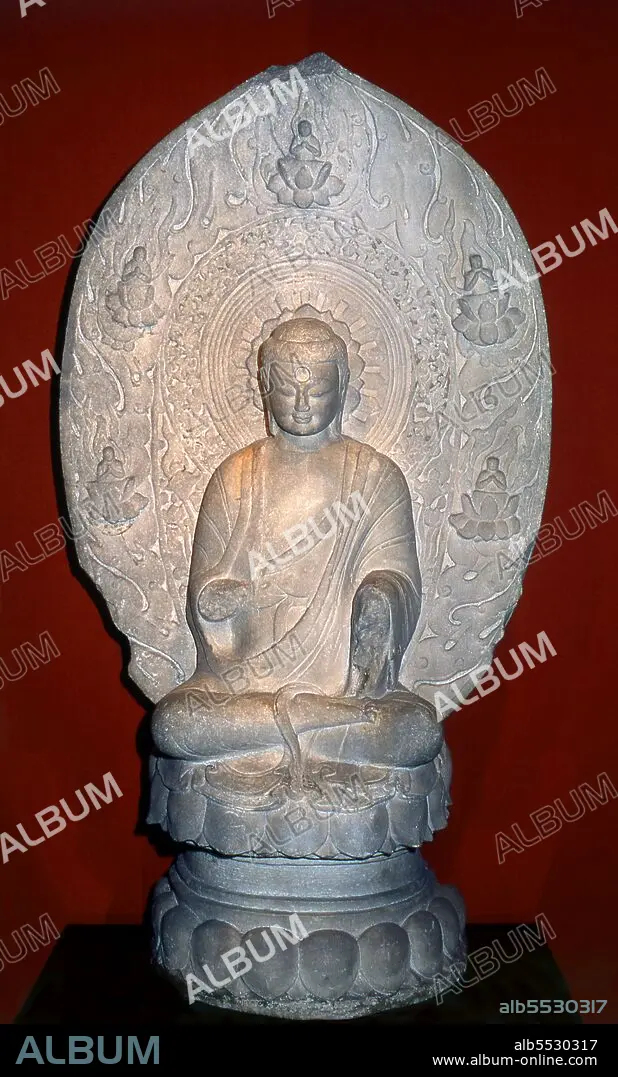
China: Stone Sakyamuni Buddha, Northern Qi Dynasty (550-577 CE), Shanghai Museum.
| Compartir |
|---|
 Pinterest Pinterest |
 Twitter Twitter |
 Facebook Facebook |
 Copiar enlace Copiar enlace |
 Email Email |
|
Añadir a otro lightbox |
|
Añadir a otro lightbox |


¿Ya tienes cuenta? Iniciar sesión
¿No tienes cuenta? Regístrate
Compra esta imagen.
Selecciona el uso:

Título: China: Stone Sakyamuni Buddha, Northern Qi Dynasty (550-577 CE), Shanghai Museum.
Descripción: Ver traducción automática
Siddhartha Gautama (Sanskrit: ????????? ????; Pali: Siddhattha Gotama) was a spiritual teacher from ancient India who founded Buddhism. In most Buddhist traditions, he is regarded as the Supreme Buddha (P. sammasambuddha, S. samyaksa?buddha) of our age, 'Buddha' meaning 'awakened one' or 'enlightened one'. The time of his birth and death are uncertain: most early 20th-century historians dated his lifetime as c. 563 BCE to 483 BCE, but more recent opinion dates his death to between 486 and 483 BCE or, according to some, between 411 and 400 BCE. By tradition, Gautama is said to have been born in the small state of Kapilavastu, in what is now Nepal, and later to have taught primarily throughout regions of eastern India such as Magadha and Kosala. Gautama, also known as Sakyamuni ('Sage of the Sakyas'), is the primary figure in Buddhism, and accounts of his life, discourses, and monastic rules are believed by Buddhists to have been summarized after his death and memorized by his followers. Various collections of teachings attributed to him were passed down by oral tradition, and first committed to writing about 400 years later. He is also regarded as a god or prophet in other world religions or denominations, including Hinduism, Ahmadiyya Islam, and the Bahá'í faith.
Siddhartha Gautama (Sanskrit: ????????? ????; Pali: Siddhattha Gotama) was a spiritual teacher from ancient India who founded Buddhism. In most Buddhist traditions, he is regarded as the Supreme Buddha (P. sammasambuddha, S. samyaksa?buddha) of our age, 'Buddha' meaning 'awakened one' or 'enlightened one'. The time of his birth and death are uncertain: most early 20th-century historians dated his lifetime as c. 563 BCE to 483 BCE, but more recent opinion dates his death to between 486 and 483 BCE or, according to some, between 411 and 400 BCE. By tradition, Gautama is said to have been born in the small state of Kapilavastu, in what is now Nepal, and later to have taught primarily throughout regions of eastern India such as Magadha and Kosala. Gautama, also known as Sakyamuni ('Sage of the Sakyas'), is the primary figure in Buddhism, and accounts of his life, discourses, and monastic rules are believed by Buddhists to have been summarized after his death and memorized by his followers. Various collections of teachings attributed to him were passed down by oral tradition, and first committed to writing about 400 years later. He is also regarded as a god or prophet in other world religions or denominations, including Hinduism, Ahmadiyya Islam, and the Bahá'í faith.
Crédito: Album / David Henley/Pictures from History/Universal Images Group
Autorizaciones: ? Cesión de modelo: No - ? Cesión de propiedad: No
¿Preguntas relacionadas con los derechos?
¿Preguntas relacionadas con los derechos?
Tamaño imagen: 3077 × 5096 px | 44.9 MB
Tamaño impresión: 26.1 × 43.1 cm | 1211.4 × 2006.3 in (300 dpi)
