

alb9409681
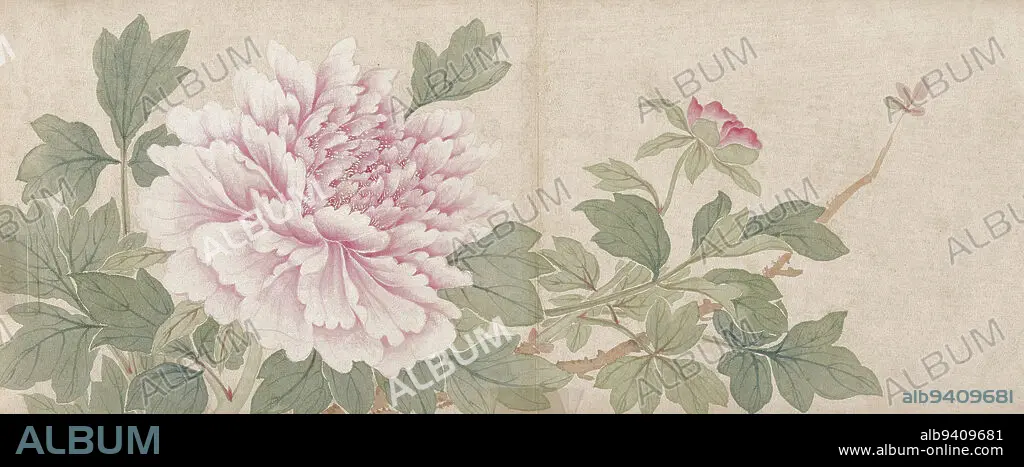
Flower Painting, late 18th century, Mianyi, Chinese, 1764 - 1815, 5 1/2 x 14 3/16 in. (13.97 x 36.04 cm), Ink and color on paper, China, 18th century, These delicate flower studies were painted by Mianyi, an imperial prince who lived in Beijing during the late eighteenth and early nineteenth centuries. The four double leaves originally formed an album that was once in the imperial collection. The frontispiece, in fact, bears the seal of the Jia Jing emperor who reigned from 1796 to 1821. Like most of the educated elite, Mianyi was well versed in classical literature, music, and calligraphy, but he excelled at painting and is best known for his flower studies, The use of color (versus ink), interest in descriptive detail, and facile technique are typical not only of Prince Chen, but of Chinese court taste in general during the eighteenth century. This album illustrates the type of amateur painting practiced among the court intelligentsia. Descriptive, technically accomplished and decorative, the aesthetic of these leaves are quite apart from the more cerebral ink landscapes of the literati tradition.
| Compartir |
|---|
 Pinterest Pinterest |
 Twitter Twitter |
 Facebook Facebook |
 Copiar enlace Copiar enlace |
 Email Email |
|
Añadir a otro lightbox |
|
Añadir a otro lightbox |


¿Ya tienes cuenta? Iniciar sesión
¿No tienes cuenta? Regístrate
Compra esta imagen.
Selecciona el uso:

Descripción: Ver traducción automática
Flower Painting, late 18th century, Mianyi, Chinese, 1764 - 1815, 5 1/2 x 14 3/16 in. (13.97 x 36.04 cm), Ink and color on paper, China, 18th century, These delicate flower studies were painted by Mianyi, an imperial prince who lived in Beijing during the late eighteenth and early nineteenth centuries. The four double leaves originally formed an album that was once in the imperial collection. The frontispiece, in fact, bears the seal of the Jia Jing emperor who reigned from 1796 to 1821. Like most of the educated elite, Mianyi was well versed in classical literature, music, and calligraphy, but he excelled at painting and is best known for his flower studies, The use of color (versus ink), interest in descriptive detail, and facile technique are typical not only of Prince Chen, but of Chinese court taste in general during the eighteenth century. This album illustrates the type of amateur painting practiced among the court intelligentsia. Descriptive, technically accomplished and decorative, the aesthetic of these leaves are quite apart from the more cerebral ink landscapes of the literati tradition
Flower Painting, late 18th century, Mianyi, Chinese, 1764 - 1815, 5 1/2 x 14 3/16 in. (13.97 x 36.04 cm), Ink and color on paper, China, 18th century, These delicate flower studies were painted by Mianyi, an imperial prince who lived in Beijing during the late eighteenth and early nineteenth centuries. The four double leaves originally formed an album that was once in the imperial collection. The frontispiece, in fact, bears the seal of the Jia Jing emperor who reigned from 1796 to 1821. Like most of the educated elite, Mianyi was well versed in classical literature, music, and calligraphy, but he excelled at painting and is best known for his flower studies, The use of color (versus ink), interest in descriptive detail, and facile technique are typical not only of Prince Chen, but of Chinese court taste in general during the eighteenth century. This album illustrates the type of amateur painting practiced among the court intelligentsia. Descriptive, technically accomplished and decorative, the aesthetic of these leaves are quite apart from the more cerebral ink landscapes of the literati tradition
Crédito: Album / quintlox
Autorizaciones: ? Cesión de modelo: No - ? Cesión de propiedad: No
¿Preguntas relacionadas con los derechos?
¿Preguntas relacionadas con los derechos?
Tamaño imagen: 6297 × 2545 px | 45.9 MB
Tamaño impresión: 53.3 × 21.5 cm | 2479.1 × 1002.0 in (300 dpi)
Palabras clave: 1796 • 1821 • ALBUM • CALIGRAFIA • CANCION • CHINA • CHINO • COLOR • COLORIDO • DECORATIVO • ESTÉTICO • FRONTISPICIO • GENERAL • HOJAS • INTERÈS • MUSIC • MÚSICA • OSO • PAPEL • PEKIN • PEQUIN • PINTADA • PINTADO • PINTURA • PRINCIPE IMPERIAL • S. XVIII • SIGLO XVIII • TINTA CHINA • TINTA • TIPICO • VIVIÓ
